Preservation of marine biodiversity
Zoo Berlin and Tierpark Berlin are joining forces with the
Leibniz Centre for Tropical Marine Research (ZMT) to protect the oceans and their inhabitants.
Project facts
- Project name
Preservation of marine biodiversity
- Project location
Pacific Ocean, Atlantic Ocean and Indian Ocean
- Project partner
Leibniz-Zentrum für Marine Tropenforschung (ZMT)
- Greatest threat
Pollution and overfishing
- Response
Research to develop targeted conservation measures

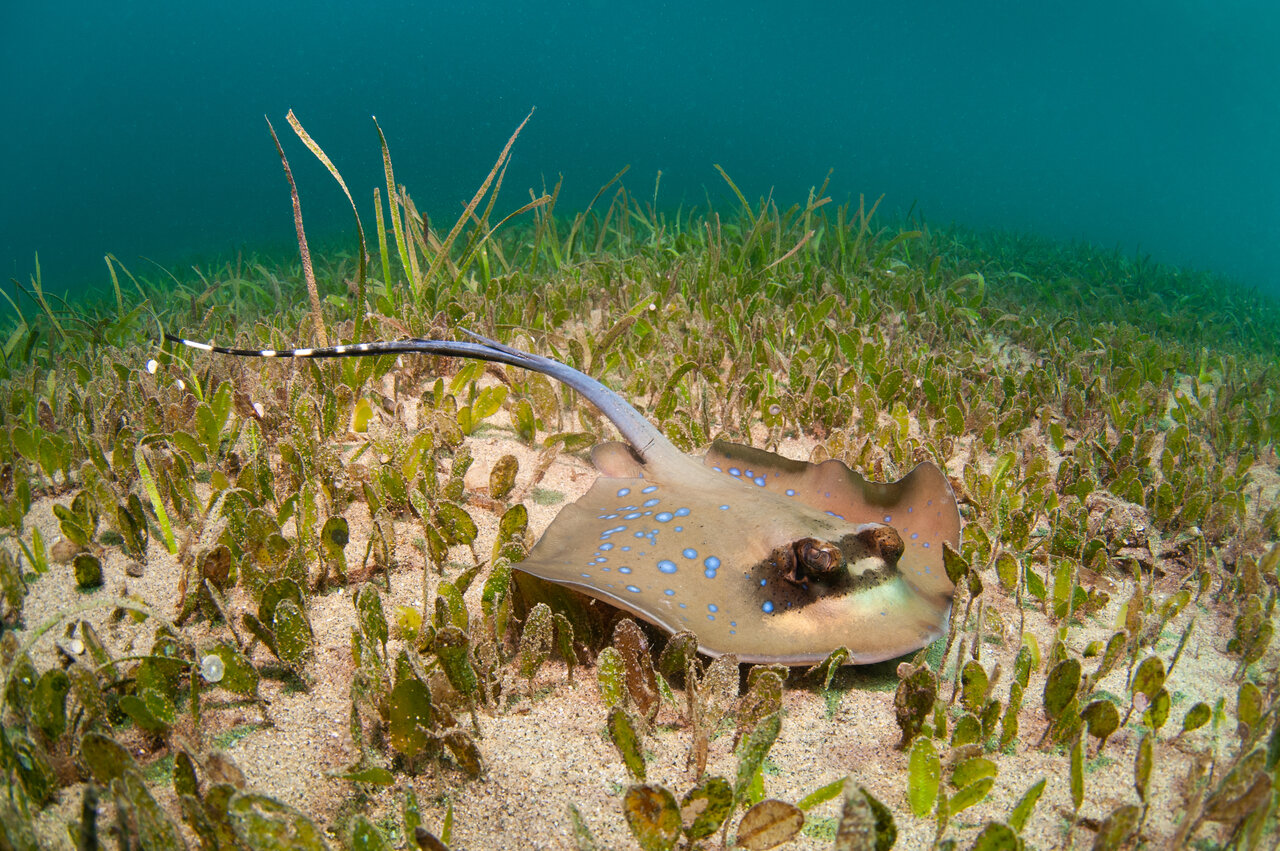
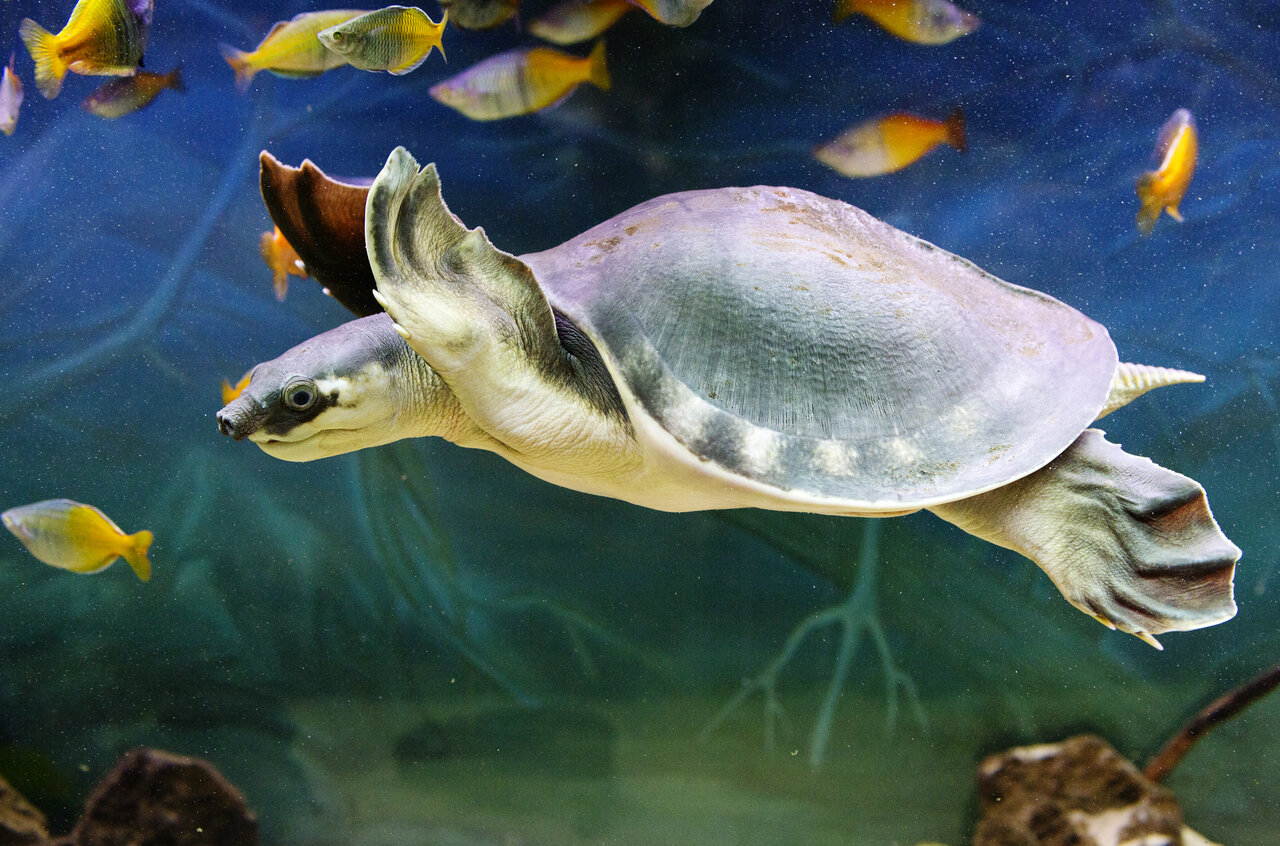
The oceans are essential to life on our planet. They provide a living environment for a fascinating diversity of animals and plants, influence our climate, and sustain vital resources for humans. However, pollution, overfishing, and climate change are increasingly threatening these fragile ecosystems. To preserve marine biodiversity in the long term, Zoo Berlin and Tierpark Berlin are joining forces with the Leibniz Centre for Tropical Marine Research (ZMT) to advance the protection of marine habitats.
A Habitat Full of Diversity
From vibrant coral reefs to the dark depths of the oceans, the seas are home to an impressive diversity of life. Their ecosystems are closely interconnected and perform vital functions in maintaining the balance of our planet. Yet many marine species and habitats remain poorly researched and are increasingly under threat. A better understanding of how these ecosystems function and interact is therefore essential to developing effective conservation measures and preserving biodiversity in the long term.
Innovative Support for Our Oceans
Zoo Berlin and Tierpark Berlin support scientists at the ZMT in their research into marine ecosystems and the protection of the species that inhabit them. In addition to traditional approaches, they employ state-of-the-art research methods that provide tools for the long-term conservation of threatened populations.
To study the blackchin guitarfish, scientists have developed a method that enables them to compare different populations of this cartilaginous fish species, which is found in the Atlantic Ocean and the Mediterranean Sea. Using genetic markers, a kind of genetic fingerprint, they can analyse the relationships and differences between populations. These findings provide an important basis for better assessing the conservation status and level of threat facing individual populations, as well as for developing targeted measures to ensure their long-term survival. At the same time, the method developed as part of this project holds great potential for protecting other marine species and could help improve research into their populations in the future.
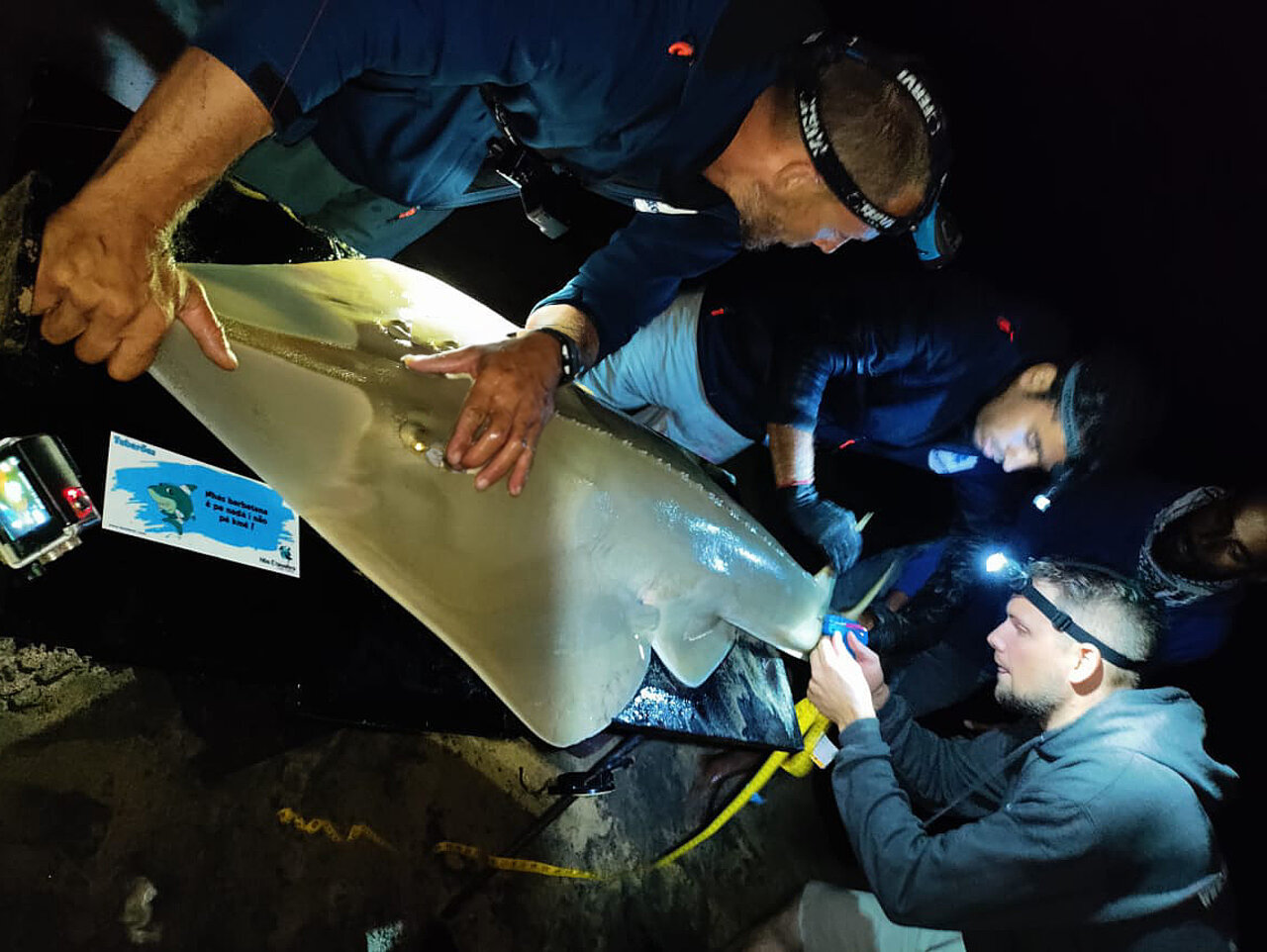
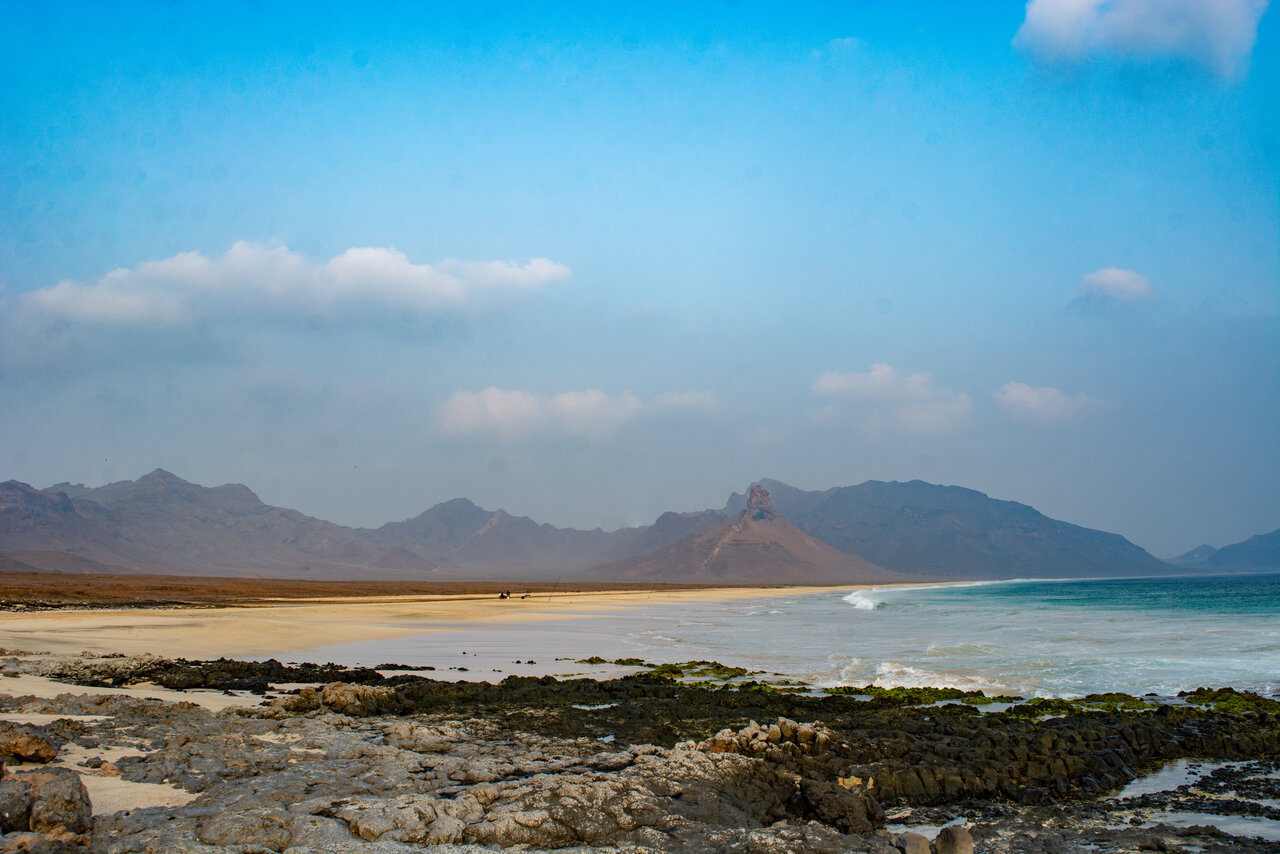
Photos Taken on Site: © ZMT/Biosfera